(Reading time: 2 minutes)
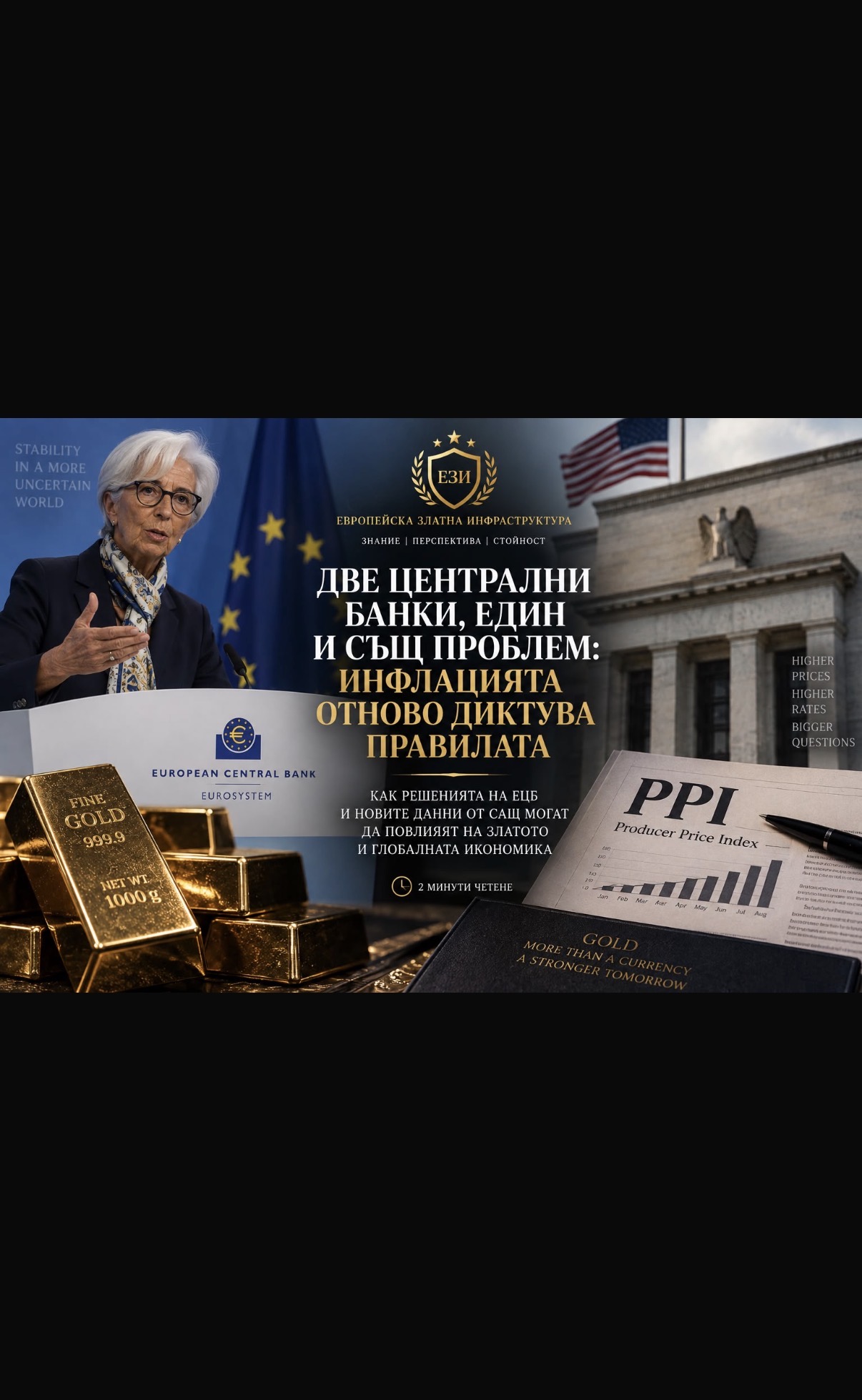
The ECB raised interest rates. The US PPI remained high. And gold found itself caught between inflation and yields.
Today, the markets received two important messages — one from Berlin, the other from Washington.
The European Central Bank has raised its key interest rates by 25 basis points, with the interest rate on deposits reaching 2,50%. Christine Lagarde emphasised that the euro area economy remains relatively resilient, but inflation is still well above the 2% target, mainly due to the energy shock and geopolitical tensions. The ECB now expects average inflation of around 3.0% in 2026. и 2.5% in 2027.
Almost at the same time, the US published its Producer Price Index — PPI, which shows how prices are changing at producer level.
In August, US producer prices rose by 0.41 TP3T for the month and with 5.41 TP3T year-on-year. Energy prices have risen by 4.21 TP3T in one month.
This is an important indicator, because higher production costs are often gradually passed on to end-user prices.
On the economy: more expensive money stays with us
Both the ECB and the Federal Reserve face a similar dilemma.
If inflation remains high, central banks must keep interest rates steady or even raise them. This slows down the economy: borrowing becomes more expensive, investment falls, mortgage payments become a greater burden, and businesses become more cautious.
However, if interest rates are cut too early, inflation could pick up again.
This is the classic problem facing central banks:
to keep prices in check without stifling growth.
And what about the gold? There are two sides to this story.
In the short term, today’s figures are rather negative for gold.
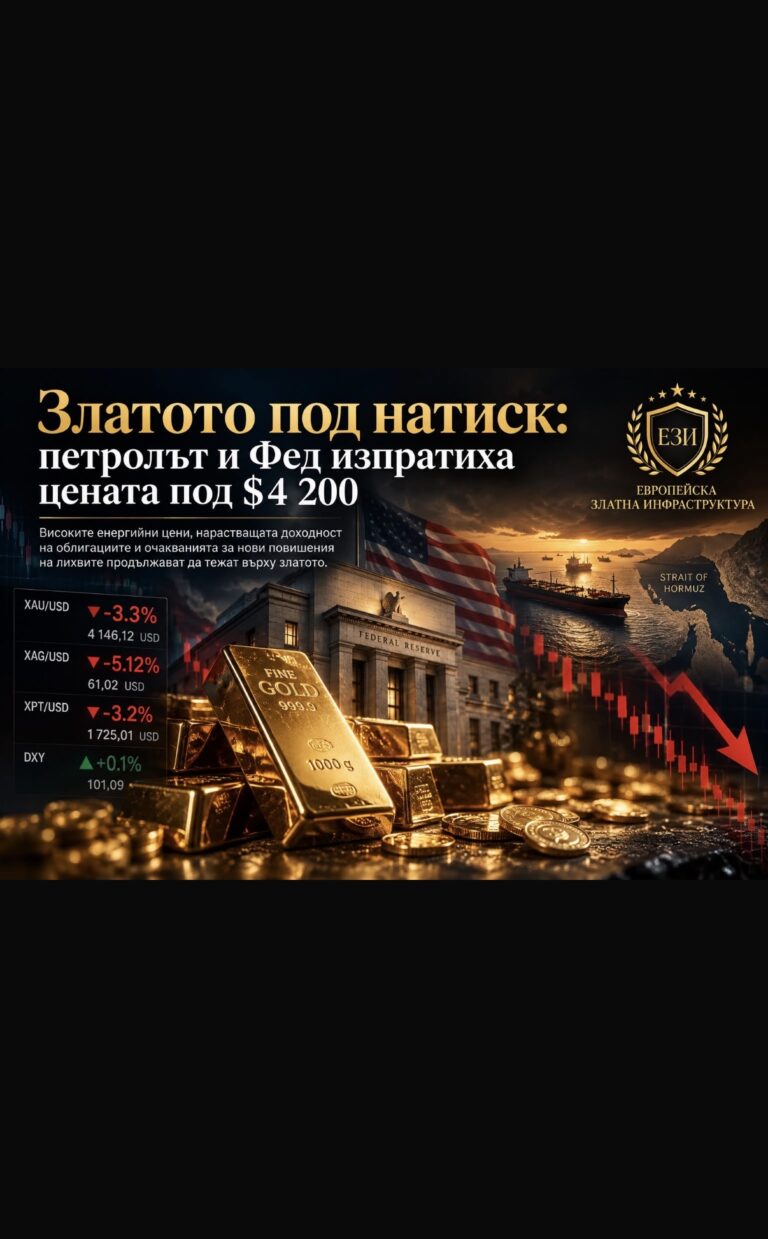
The reason is simple: when the market anticipates higher interest rates, bond yields rise and the dollar often strengthens. As gold does not pay interest, its relative appeal temporarily diminishes.
And that is exactly what we saw today — following the US PPI, gold fell by more than 1%, whilst the likelihood that the market is anticipating a rate rise by the Fed has increased.
But the medium-term picture is almost the opposite.
If inflation remains stubborn, energy prices remain high and geopolitical uncertainty persists, gold retains one of its strongest qualities:
It is an asset outside the credit system and a traditional hedge against loss of purchasing power and systemic risk.
An interesting fact
In the space of just 24 hours, gold received two completely contradictory signals from the same issue:
inflation.
High inflation underpins the long-term investment case for gold.
However, combating it by raising interest rates may temporarily push its price down.
And perhaps that is precisely what is most interesting at the moment.
Gold is not driven solely by inflation. It is driven by central banks’ response to it.
Today, the answer is clear:
Europe is tightening policy. America may follow suit. And the gold market will have to strike a balance between higher returns today and greater uncertainty tomorrow.