
(Reading time: 3 minutes)
The US is battling persistent inflation. Japan is trying to bring interest rates back to normal. And standing between the two is one of the world’s most important financial mechanisms — the yield spread between the dollar and the yen.
This week, the focus of the financial markets will not be on just one thing, but on two central banks.
On Wednesday, the Federal Reserve will announce its decision on US interest rates. Just two days later, the Bank of Japan will do the same.
At first glance, Washington and Tokyo appear to be tackling two different problems.
In fact, their decisions are directly linked.
FIRST COMES THE FED
Following the latest US figures, the situation has changed dramatically.
The PPI for August rose by 5.41 TP3T year-on-year, whilst energy prices continue to put pressure on inflation. Following the latest figures, 86 out of 101 economists in a Reuters survey now expect the Fed to raise interest rates by 0.25 percentage points — to a range of 3.75–4.00%.
This would be the first rise in US interest rates since July 2023.
But for the markets themselves, the 25 basis points may prove to be less important than what follows.
What will Fed Chairman Kevin Warsh have to say?
If this signals the start of a new cycle of tightening, US bond yields may remain high and the dollar may find support.
And then comes Japan.
FRIDAY: THE BANK OF JAPAN ENTERS THE FRAME
For decades, Japan was almost the polar opposite of the US.
Whilst other central banks were raising interest rates, Japanese interest rates remained around zero or even below it.
This has made the yen one of the most important currencies for financing in the world.
Investors were able to borrow cheaply in yen and invest the funds in US bonds, shares and other assets offering higher returns.
This is what is known as the. yen carry trade.
But this system is gradually changing.
On Friday, the market expects the Bank of Japan to raise its key interest rate from 1,00% to 1,25%— a level not seen for more than three decades.
And this is precisely where the two solutions converge.
ONE EQUATION: THE DOLLAR VERSUS THE YEN
Imagine two rates of return.
USA: around 4%.
Japan: around 1%.
The greater the difference between them, the more attractive it may be to borrow in yen and hold higher-yielding dollar-denominated assets.
But if Japan continues to raise interest rates, this gap will start to narrow.
And then some of the huge positions built up using cheap yen-denominated funding may gradually begin to reverse.
This could mean:
sale of part of the foreign assets → purchase of yen → repatriation of capital to Japan.
That is why the Bank of Japan’s decision does not affect Japan alone.
It may affect the dollar, US bonds, the stock markets and global liquidity.
Reuters notes that the yen has already posted its strongest rally in 18 months, as the market has begun to price in a faster tightening by the Bank of Japan.
SO WHERE’S THE GOLD?
This is where things get particularly interesting.
If the Fed raises interest rates and signals further increases, the initial reaction could be negative for gold.
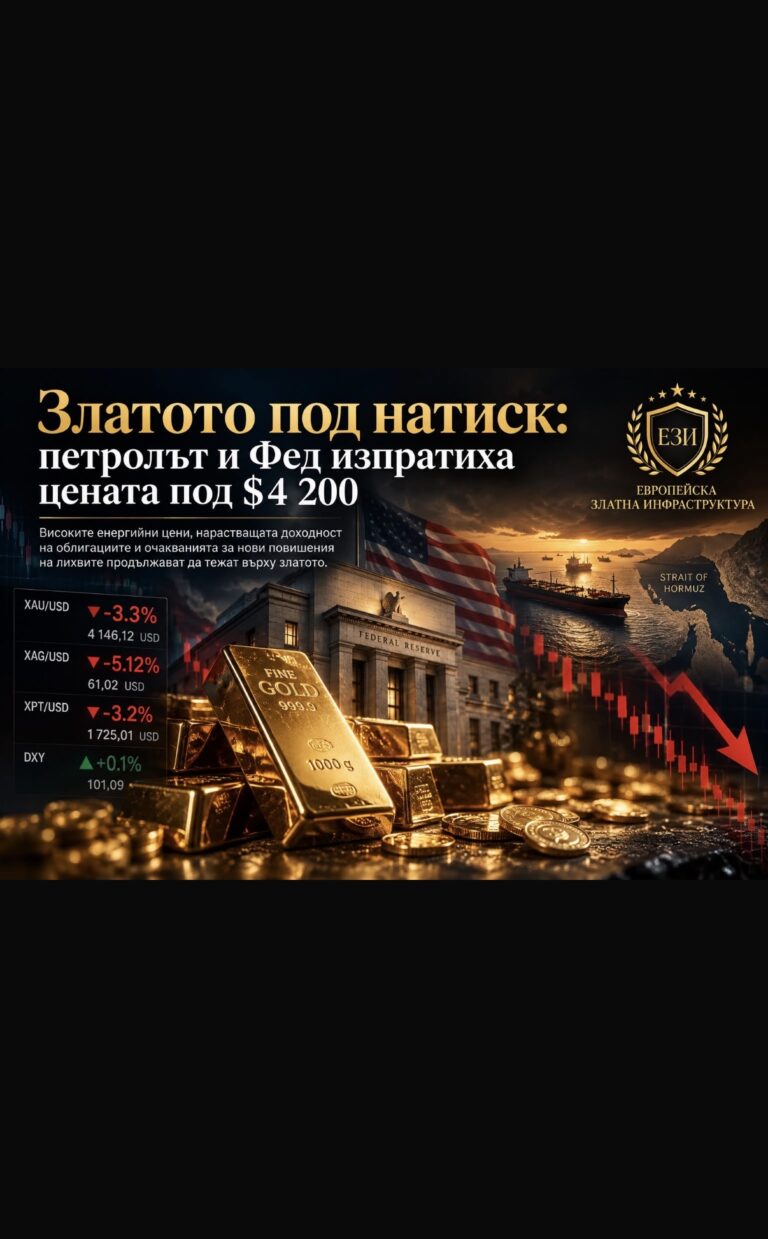
Higher US real yields and a stronger dollar increase the opportunity cost of holding an asset that does not pay interest.
But that is only one side of the story.
If, at the same time, the Bank of Japan tightens its monetary policy and a more significant shift in global capital flows begins, volatility could increase.
But gold plays a completely different role precisely when the markets start to ask themselves:
„Where is the security?“
AN INTERESTING FACT
Just a few years ago, it seemed almost unthinkable to talk about a week in which The Fed and the Bank of Japan may both raise interest rates at the same time.
But that is exactly where we are now.
And there’s one more thing.
The US 10-year yield has now crossed the psychological threshold of 5%, whilst the Japanese 10-year yield reached around 3% ahead of the BOJ’s decision.
The difference between the two is still enormous.
But direction does matter now.
On Wednesday, we will find out just how aggressive Washington intends to be.
On Friday — just how far is Tokyo prepared to go?.
And they will move between these two decisions the dollar, the yen, bonds, shares and gold.
This week, the question is not simply who will raise interest rates.
The question is whether we are beginning to see a repricing of money in the world’s two most important financial systems.